OEM or ODM: which route fits your first inflatable toy order
The difference between producing to your own artwork (OEM) and developing from an existing mould (ODM), plus tooling from US$600, a 40-day lead time and minimum order sizes.
Almost every enquiry we get resolves into one of two routes. Knowing which one you are on before you ask for a price makes the whole process shorter.
ODM: you start from a mould that already exists
ODM means the shape is ours and you specify the rest — colourway, print, packaging, carton. In practice that is the 225 items in the catalogue, and the variants buyers most often ask for are a new colour compound, their own screen printed artwork, or retail-ready packaging with their brand on it.
What that changes:
- No tooling cost, because the mould is already made and already proven in production.
- Sampling is fast, because only colour and print are new.
- It is the sensible route for a first order, a test run, or a seasonal colourway on a shape you already like.
OEM: the shape is yours
OEM means a new shape, developed to your design. Our design team works on the concept and then the tooling has to be cut before anything can be moulded. That adds a tooling step ahead of production, and the tooling usually has to be approved before a production sample exists.
What that changes:
- Tooling comes first. It runs from US$600 to US$1,500 per mould, depending on the size of the product and how complex the shape is.
- Expect at least one design review, because an inflatable has to be drawn as panels that can actually be cut and welded — a shape that looks fine as a render does not always inflate cleanly.
- It is the right route when the shape is the brand, or when the whole point is to have something no competitor can buy off a shelf.
So an OEM programme has two costs before the goods: the tooling, from US$600 to US$1,500 per mould, and the sampling round that proves the design. Send us the concept and we will come back with both.
What the order size has to be
The minimum order is set by product size: 3,000 pieces for anything under 15 cm, and 300 pieces once an item reaches 15 cm. In practice that puts the bath toys, light piggy banks, bath balls and most of the PU stress range in the 3,000 band, while the animal hoppers, the plush bounce balls and the largest PU shapes sit in the 300 band. Every product on this site shows which band it falls in when you open it.
That split is not arbitrary. A hopper takes far more material and far more press time per piece than a bath duck, so the volume needed to make a run worthwhile is much lower — the same logic applies to a 23 cm plush ball against a 7 cm bath toy.
Production time
Once artwork and tooling are approved, production lead time is about 40 days to shipment. That figure does not include the sea leg, so it is the point to start counting backwards from when you are working to a shelf date — see the seasonality article.
What both routes share
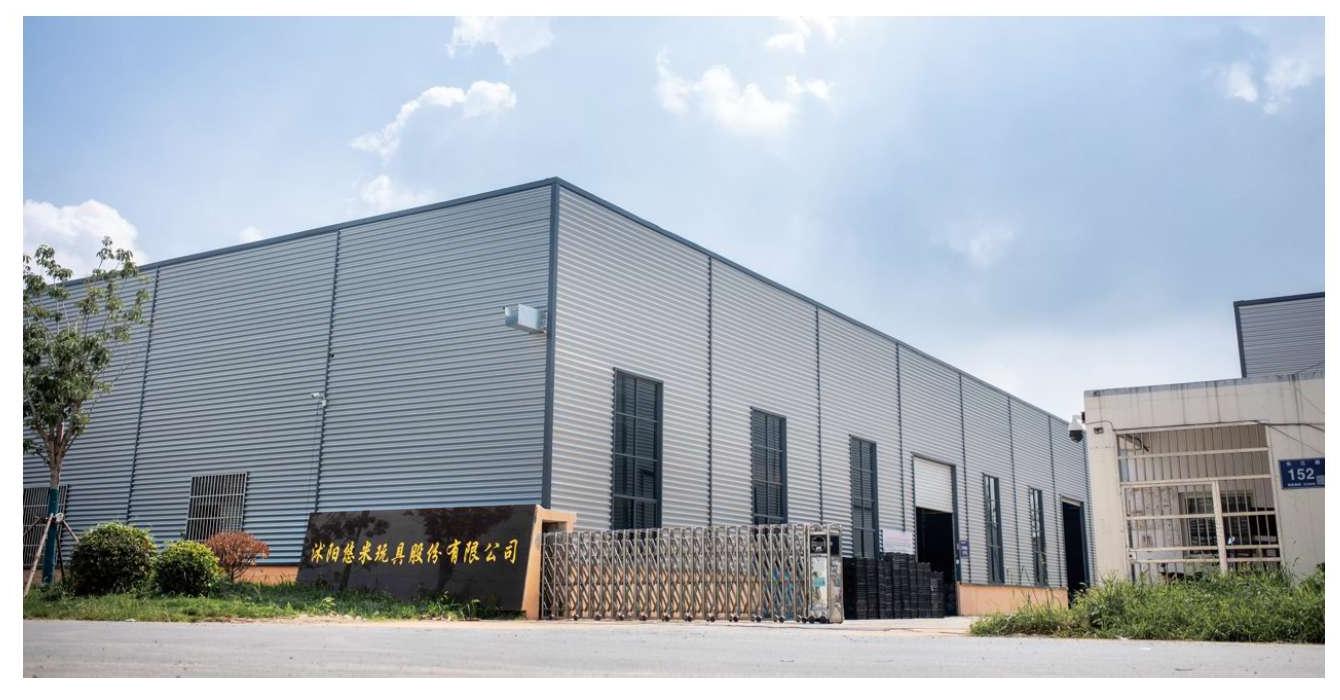
Whether a shape is ours or yours, the same QC and QA team supervises the whole run, from pre-production through to final packing. Every item is moulded, printed, assembled and packed in our own 16,000 m2 plant in Suqian, and the factory holds BSCI plus ISO 9001, 14001 and 45001.
One thing worth deciding early, whichever route you take: your destination market. It determines which compliance documents apply, and it is much easier to build that in from the start than to add it once the artwork is fixed.
If you are not sure which route fits, send the idea plus your target market and quantity. We will tell you whether an existing mould gets you there. Start an enquiry.